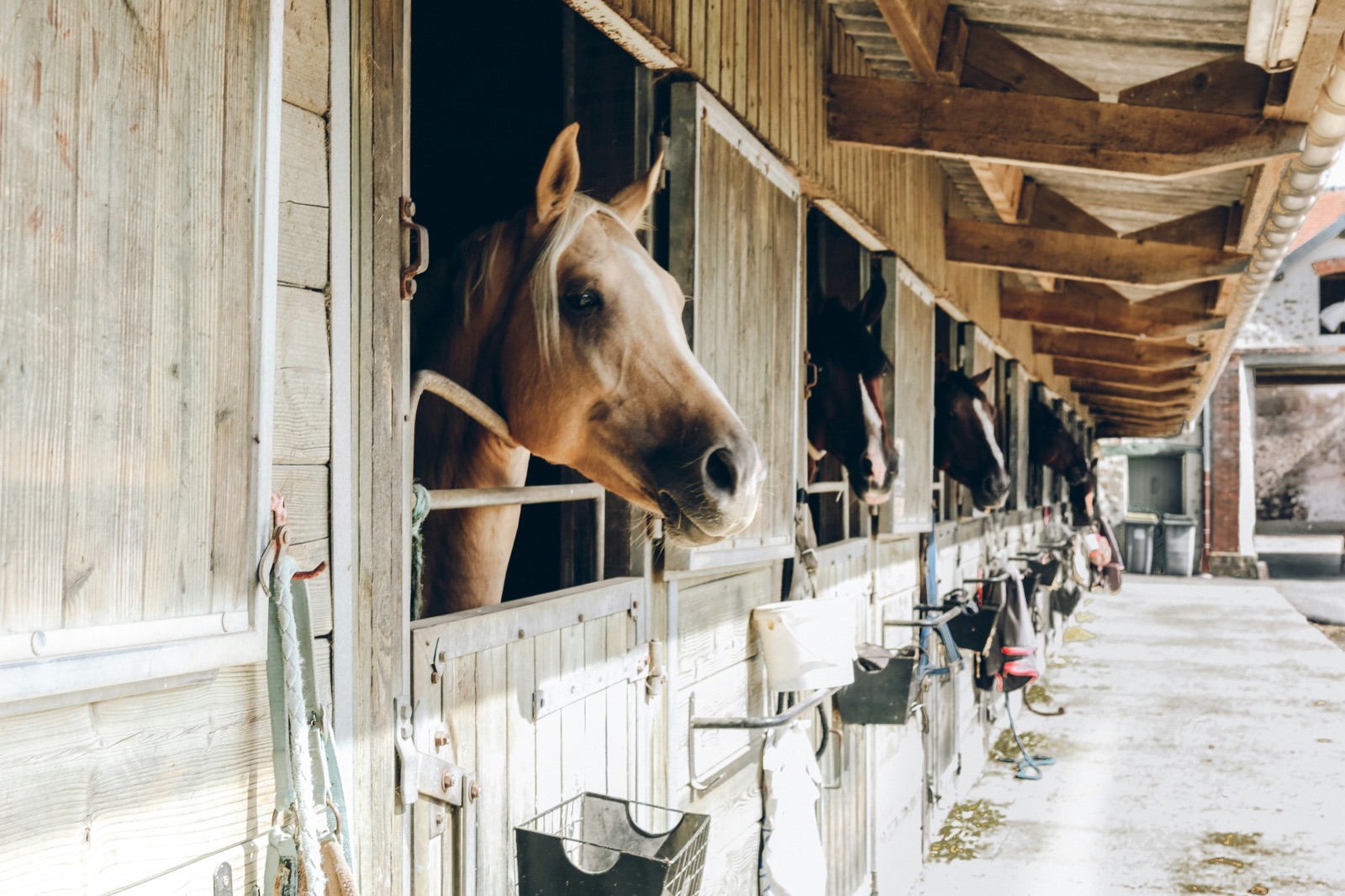
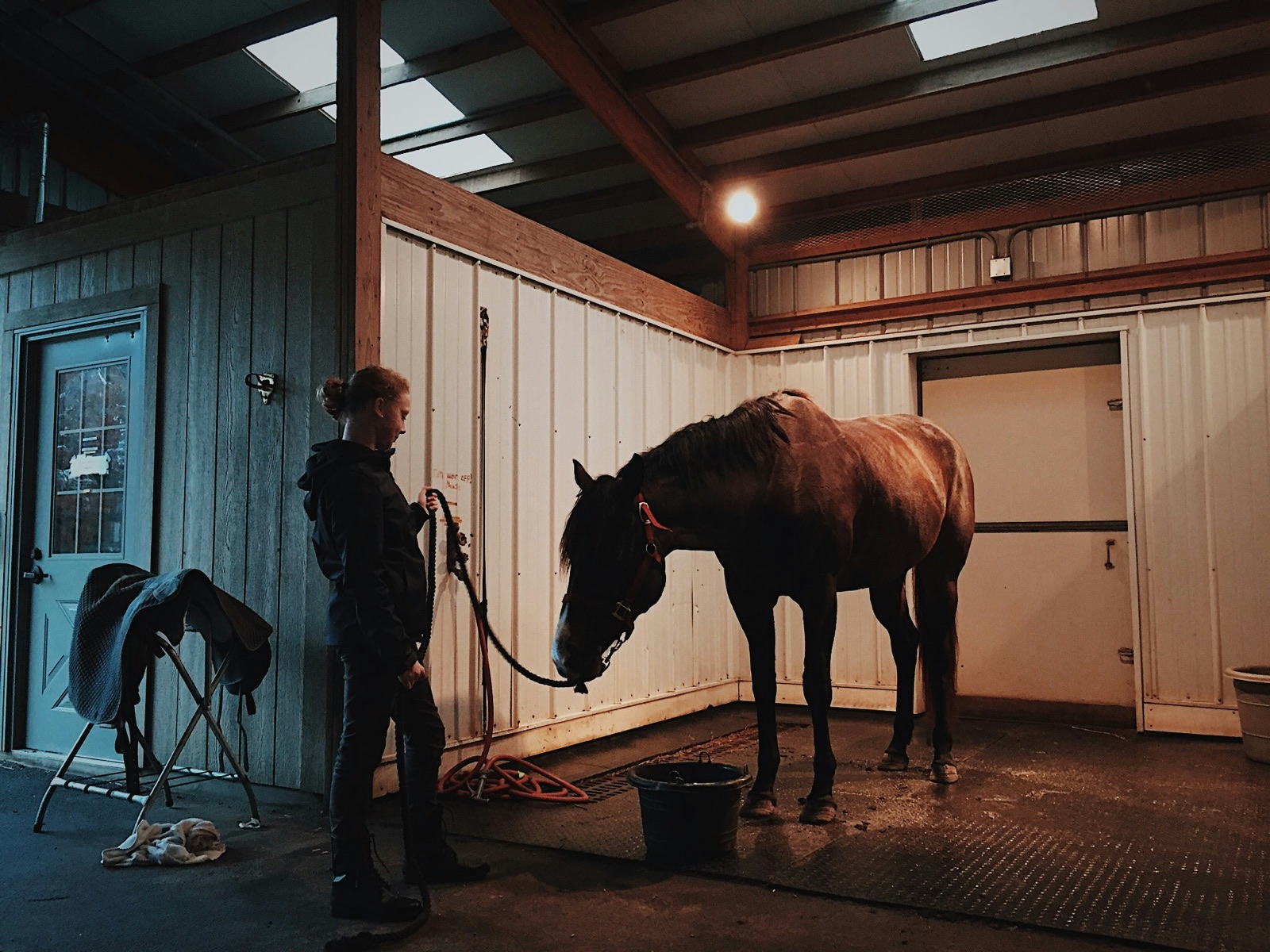
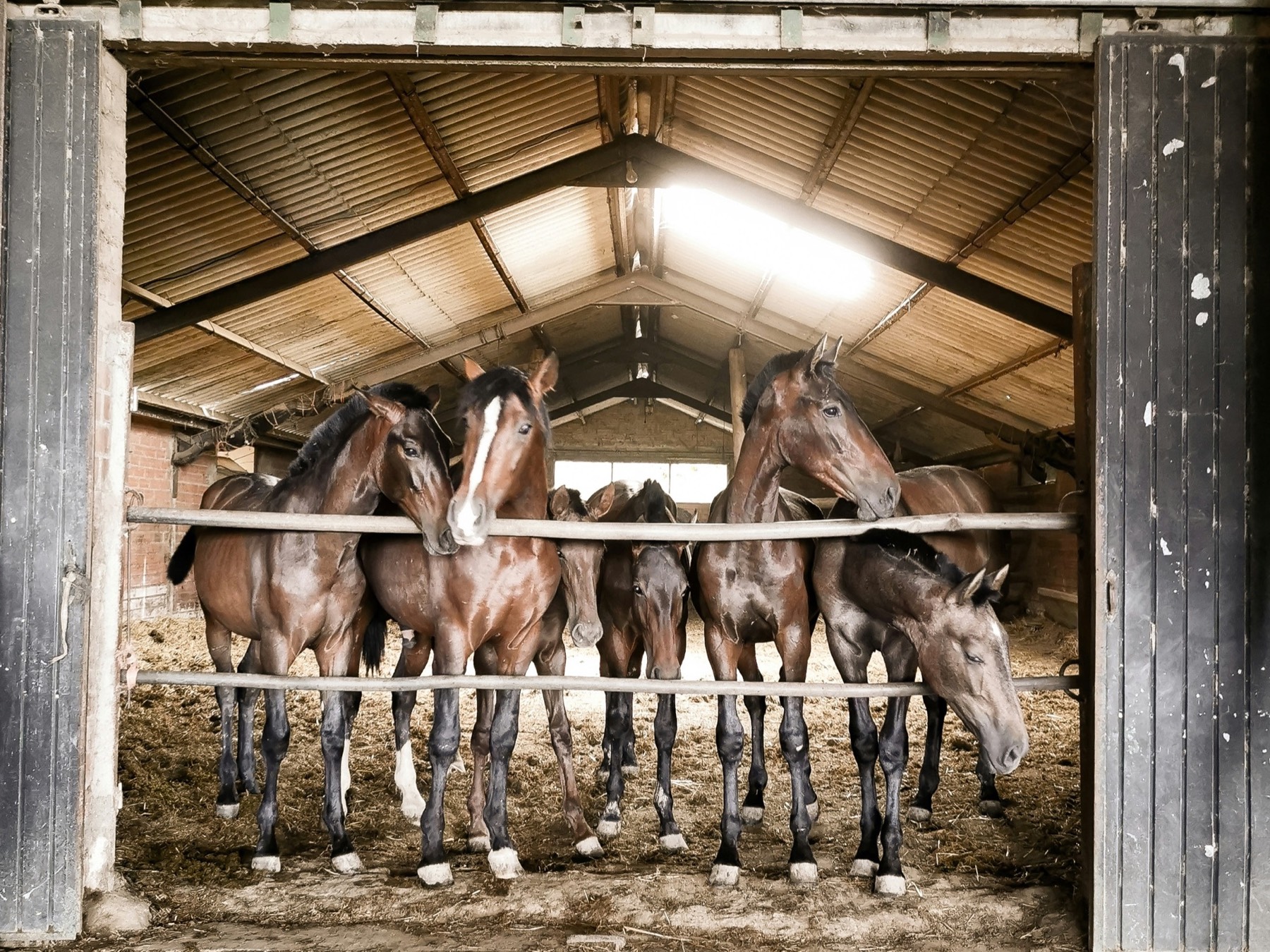
Stop hunting livery on Facebook groups. Every UK yard, on nine turnout fields and eight stackable filters — the comparison work that used to take weeks, on a single page.
Tap a filter and the results re-rank in front of you. The same filters power the real search page — this is a sandbox of the same component, not a marketing mock-up.
★Founding Member
2 spaces
Hollybrook Stables
from £650/mo
Wiltshire, SP4 7AA
A 14-horse yard on the chalk downs near Salisbury. Twelve hours winter turnout in paired groups, sandy paddocks with hardstanding gateways.
Working Derbyshire yard on heavy clay. Honest about winter conditions — 4 to 6 hours daily when the ground allows, with individual paddocks to limit poaching. Fields rested through the worst weeks.
The “good yards don’t advertise” myth was true when adverts were unstructured.
Spend ten minutes on any UK horse-owner forum and the same advice surfaces: the good yards don’t need to advertise, so word of mouth and door-knocking is the only way in. It’s half-true. When every advert was a free-text paragraph on a Facebook group, the yards that wrote one were usually the weaker end of the market — vague, generic, often a sign the place needed liveries more than the liveries needed them.
“Keep looking. There are good yards but the really good ones don’t need to advertise. Word of mouth and door knocking required.”
The truism is about format, not advertising. A structured comparison engine flips the asymmetry: nine turnout fields, an accuracy score, a slot count, a date stamp — and the listing becomes the evidence, not the marketing. The vague advert still underperforms; the careful yard finally has a way to show its working.
Door-knocking still works in tight local circles. For everyone else, filtering twenty yards in an evening is faster — and leaves you a shortlist worth visiting.
Eight filter dimensions
Every filter you’d ask in person, on tap.
Each dimension is structured, comparable across yards, and stackable in a single URL.
Location & radius
Postcode plus a radius in miles. Distance is the deal-breaker that gets ignored until the first dark winter evening — set the radius before everything else.
Turnout
Nine structured fields per yard: summer and winter hours, group composition, soil type, mud management, more. Filter by minimum winter hours, group type, or soil. Full feature page →
Livery type
Full, part, DIY, grass, retirement. The catch-all phrase “flexible arrangements” is a euphemism — pick the type you actually want and make the yard show its hand.
Facilities
Arena, horse walker, wash box, hacking access, school lighting, on-site instructor. Filterable codes, not free-text. What’s on the listing is what’s on the yard.
Accuracy score
The percentage of fields a yard has filled in, dated, and re-confirmed, with a check count. A 92% / 7 checks tells you the listing is alive; a 50% / 1 check tells you it isn’t.
Founding members
Pre-launch yards who set the standard. A permanent badge — earned, not bought, not tied to a monthly fee. Filter for them when you want yards that took the brief seriously from day one.
Slot availability
A live count of open spaces, refreshed by the yard. Filter to see only yards taking enquiries this season — no more messaging twelve places to find the four with a free stable.
Ratings & reviews
Reviews come from horse owners who actually moved in. Yard responses (Pro tier) are visible inline so you see both sides of the conversation, not a one-sided star count.
In search
Stack the filters. Save the view.
Pick winter hours, group composition, accuracy — layer as many as you like and the results re-rank as you tap. Bookmark the page when you’re happy and the filtered view is saved; share the link with your trainer or the friend who’s scouting alongside you.
Switch the sort to “Highest rated” when you want the yards other owners rate most highly at the top, in any order.
A search-result card. The chip strip — 92% accuracy, 12h winter, paired turnout, 2 slots — reads at a glance, without scrolling or opening the listing.
★Founding Member
2 spaces
Hollybrook Stables
from £650/mo
Wiltshire, SP4 7AA
A 14-horse yard on the chalk downs near Salisbury. Twelve hours winter turnout in paired groups, sandy paddocks with hardstanding gateways.
Layer your filters and the page re-ranks live. Bookmark or share when you’ve dialled it in — the view comes back exactly the same next time.
Active filters
Auto-saved in URL
8h+ winter turnout
Individual paddock
80%+ accuracy
Bookmark to compare again next month
For horse owners
Why it matters for horse owners
Stops the door-knocking ritual
Driving the lanes and knocking is legitimate — the gates and the muck heap tell you things no listing can. But it’s a brutal use of a Saturday. A comparison engine reaches yards no door-knocker would find, and leaves you three or four worth visiting in person rather than thirty to rule out.
Twenty yards, side by side, in the time it took to read one Facebook thread.
The structured data does the boring work. Winter hours, soil, group composition, accuracy — all on the card before you click. You spend the evening deciding between yards, not piecing fragments together from comments and DMs.
Stackable filters mean you bookmark the search, not the result
Criteria evolve. A retiring horse needs an individual paddock; the next one wants a herd. Save the URL, tweak it, share it with the friend whose yard radius overlaps yours. The filter is the artefact, not the shortlist.
When prospects pre-filter on your structured data, the enquiries that reach your inbox are already from people whose horse fits your set-up. Fewer tyre-kickers, fewer mismatches discovered three messages in:
“Yards often say ‘the worst wet weather’ etc and turns out at the moment it’s every other day or days on end… I’ve been tricked with that one many times, it’s actually soul destroying.”
You appear because of what you do, not who you know
Word of mouth was always a moat for the well-connected. A structured filter is the great equaliser — hardstanding gateways and twelve hours of winter turnout out-rank a glossy-but-vague Facebook post every time. The yard that’s been quietly running it right for fifteen years finally gets in front of the people looking for exactly that.
Founding members and accuracy-checked yards rank where they should
The system rewards the work, not the marketing budget. List a space and fill in your turnout fields, and you come above the yards that haven’t. There’s no paid placement and no thumb on the scales — nothing you can buy moves you up.
The rank is one signal among several. Read the chips and the dates as carefully as the headline — a yard sitting tenth on accuracy with a freshly-updated turnout block can easily be the right answer for your horse.
Accuracy score = % of fields the yard has re-confirmed, with a check count. A 92% / 7 checks tells you the yard is curating their data; a 50% / 1 check is a listing they touched once. Use it as a tie-breaker, not a sole filter.
Updated date matters. A turnout block last touched eighteen months ago is a soft red flag — ask the yard whether anything has changed before you commit.
Founding-member badge is permanent. It signals pre-launch trust, not active monthly spend. It tells you the yard has been part of the OpenStable system since day one.
Slot availability is live. Tick ‘Taking new clients’ if you’re moving this season; the yard updates the count themselves, so it reflects today, not last summer.
FAQ
Frequently asked questions
How does OpenStable rank UK livery yards?+
By default, results sort by relevance to your filters and proximity to your postcode. You can switch to 'Highest rated' to lead with review scores, or 'Most winter turnout' to put the highest-turnout yards on top — and every listing shows its accuracy score, so you can see at a glance how complete and recently confirmed its data is. There is no paid placement — a Founding Member badge is a trust signal, not a ranking boost.
What does the accuracy score mean?+
Two numbers: the percentage of structured fields a yard has filled in, and a check count of how many times they've confirmed or updated their data. 92% / 7 checks is a yard curating their listing. 50% / 1 check is a yard that touched the form once and walked away. Either is fine information — the score is descriptive, not a verdict.
Can I filter UK livery yards by turnout, soil, or group composition?+
Yes. Set a minimum winter-hours figure (8 or 12 to see the generous end of the market), pick group composition (individual, paired, herd) and soil type (sandy, chalk, clay, loam, limestone). All three stack into a single URL — bookmark the view and share it with your trainer or your yard manager.
What's a 'founding member' yard?+
A yard that joined OpenStable pre-launch and helped shape the structured-data standard the platform runs on. The badge is permanent, not subscription-dependent, and it tells you the yard has been part of the system from day one. It does not buy a higher rank — but it is a real signal that the yard takes accurate listings seriously.
Does OpenStable check that a listing is true?+
No, and we won't pretend otherwise. Every listing is written and edited by the yard themselves — we don't scrape it, guess at it, or inspect the yard. What we do instead is date it: turnout and availability both carry the day the yard last touched them, so you can tell a listing kept current from one left alone since spring. Read it as the yard's own account of itself, and go and look before you commit.
How do I save a search?+
Apply your filters, then bookmark the URL. The filter state lives in the query string, so a saved tab or a shared link reproduces the exact same view. Logged-in horse owners can also shortlist individual yards for side-by-side comparison from the dashboard.
Can I filter by available-now slots?+
Yes. Tick 'Taking new clients' and the results are restricted to yards with at least one open slot. The count is updated by the yard themselves, so it reflects their current capacity rather than a stale figure scraped from a Facebook post six months ago.
Why do some yards rank higher than others?+
Two things, then whatever you sorted by. A yard with a space listed comes above a yard without one, in every sort except newest. And once you filter on turnout — winter hours, group type, soil — yards that have actually filled those fields in come above the ones that have left them blank. After that it is your own sort: winter hours, price, newest, or rating, and alphabetical to break a tie. Founding members and Pro yards get no ranking boost at all — they get the badges and the response tools, not a thumb on the scales.
Stop hunting livery on Facebook. Start filtering for what you actually need.
Whether you’re looking for a yard or running one, the right horse and the right yard find each other faster when the listing carries the answers up front.